If you’re getting married in 2026, here’s what you need to hear:
If you’re getting married in 2026, here’s what you need to hear: it’s time to lock down your wedding hairstyle plan. We’re at the end of 2025, which means the clock is ticking on booking your bridal hair specialist, planning any necessary hair transformations, and scheduling those crucial trials that make the difference between wedding day confidence and last-minute panic.
Planning your wedding hairstyle isn’t just about choosing between an updo or wearing your hair down. It’s about creating a comprehensive timeline that accounts for hair growth, color transitions, potential extensions, multiple trials, and all the preparation work that goes into achieving healthy, photo-ready hair. The brides who feel most confident on their wedding day? They’re the ones who started planning early, gave their hair time to reach its best condition, and worked with professionals who understood the complete picture.
At Menagerie Style House, we’ve guided countless brides through this process, and we’ve learned that the difference between good wedding hair and truly stunning bridal hair comes down to one thing: proper planning. Our in-house bridal specialist, Sarah Brouwer of The Pretty Barrette, has spent almost 10 years perfecting the art of bridal styling. Let me walk you through everything you need to know about creating your wedding hair timeline, preparing your hair for the big day, and making decisions that will have you feeling absolutely beautiful as you walk down the aisle.
Your 2026 Wedding Hair Planning Timeline
Timing is everything when it comes to wedding hair preparation. Starting your planning process now--at the end of 2025--puts you in the ideal position for a 2026 wedding, regardless of your specific date. This timeline gives you the breathing room to make thoughtful decisions, implement necessary changes, and arrive at your wedding day with hair that’s in peak condition.
12 Months Before: Foundation and Vision (Now, for Late 2026 Weddings)
If your wedding is in the latter half of 2026, right now is the perfect time to start your foundational planning. This phase is about big-picture decisions and long-term preparation.
Begin by researching wedding hairstyles that resonate with your vision. Create a collection of inspiration photos, but look beyond just the pretty pictures. Pay attention to which styles appear on brides with similar hair texture, length, and face shape as yours. This helps you identify realistic goals rather than setting yourself up for disappointment.
If you’re planning to grow your hair significantly longer for your wedding, start now. Hair grows approximately half an inch per month on average, so if you want to add six inches of length, you need that full year. Schedule regular trims every 8 weeks to keep your ends healthy as you grow--damaged ends will slow your progress and make styling more difficult.
This is also when you should start thinking about whether hair extensions might be part of your wedding look. Extensions aren’t just for length; they add volume and thickness that can make certain bridal styles more dramatic and long-lasting. If extensions are in your future, you’ll want to have them installed with enough time to get completely comfortable wearing them before your wedding day.
9-10 Months Before: Color Planning and Stylist Selection (Now, for Spring/Summer 2026)
For brides getting married in spring or summer 2026, the end of 2025 marks a crucial planning window. This is when you need to make concrete decisions and book the professionals who will bring your vision to life.
Book your bridal hair specialist now. Sarah Brouwer, our in-house bridal specialist and founder of The Pretty Barrette, books up quickly for peak wedding season. With 8 years of experience specializing exclusively in bridal hair and styling, Sarah has perfected the art of creating wedding day looks that make brides feel absolutely confident. Securing your spot with Sarah early means you get access to her specialized bridal expertise and can start building that important collaborative relationship. During this initial booking, you’ll discuss your wedding date, venue, overall vision, and tentative ideas for your hairstyle.
If you’re planning to change your hair color for your wedding, this is when you begin that journey. Drastic color transformations--going from dark to blonde, covering significant gray, or making major tonal shifts--need time to be done correctly and healthily. Your colorist will create a gradual transition plan that gets you to your goal color without compromising your hair’s integrity. Rushing color changes close to your wedding date risks damage, unexpected results, and unnecessary stress.
According to The Knot’s wedding planning timeline, securing your beauty team should happen 9-12 months before your wedding, putting you right in that sweet spot if you’re acting now.
6-8 Months Before: Extension Installation and First Consultation (if applicable!)
This phase is about implementing the bigger changes that need time to settle and feel natural. If you’ve decided to enhance your hair with extensions for your wedding, this is your installation window.
Hair extensions--whether you choose hand-tied extensions like the ones Emma specializes in, or Invisible Bead Extensions that Mandy is certified in--need time to integrate with your natural hair. You want to be completely comfortable wearing them, understand how to care for them, and have them look and feel like your own hair by your wedding day. Installing extensions 6-8 months before your wedding gives you time for the initial adjustment period, any necessary tweaking, and at least one maintenance appointment before your wedding.
This is also when you should schedule your detailed bridal hair consultation if you haven’t already. This appointment goes deeper than your initial booking conversation. Bring your dress photos (or bring the actual dress if you have it), your venue details, any hair accessories you’re considering, and those inspiration images you’ve been collecting. We’ll examine your hair’s current condition, discuss what’s realistic, and start formulating a specific plan for your wedding day style.
During this consultation, we’ll talk about your hair’s natural texture and how we can work with it rather than against it. We’ll consider your wedding timeline--ceremony time, how long you need your style to last, whether you’re planning a hair change between ceremony and reception. All these practical considerations shape which styles will work best for you.
4-5 Months Before: Color Finalization and Pre-Trial Preparation
Your hair color should be close to its final wedding shade by this point. If you’ve been transitioning gradually, you’re now fine-tuning rather than making major changes. This is the time to perfect your tone, add subtle dimension if desired, and ensure you’re absolutely in love with your color.
Start incorporating regular deep conditioning treatments into your routine. Our Aveda Botanical Repair Bond Building Treatment strengthens hair from within, creating the ideal foundation for styling. Plan to have these treatments done every 4-6 weeks leading up to your wedding. Healthy hair holds styles better, photographs more beautifully, and gives you peace of mind.
If you have extensions, schedule your maintenance appointment during this window. Your extensions need to be freshly moved up or adjusted so they’ll be in perfect condition for your trials and wedding day.
This is also when you should finalize any remaining details about your dress, accessories, and overall wedding aesthetic. The more complete your vision is before your first trial, the more productive that trial will be.
3-4 Months Before: First Hair Trial
Your first wedding hair trial is a milestone moment in your planning process. This isn’t just about seeing what a style looks like--it’s a comprehensive test run that reveals what works, what doesn’t, and what needs adjustment.
Schedule your trial for a time when your hair length and color are very close to what they’ll be on your wedding day. If you’re still growing your hair or planning more color work, wait until those elements are nearly complete. You want your trial to be as accurate a preview as possible.
Bring everything to your trial: your inspiration photos, any hair accessories or veils you plan to wear, photos of your dress, and even the undergarments you’ll wear on your wedding day (these can affect your neckline and therefore which hairstyles look best). If you have a specific lipstick shade picked out, wear it--seeing your complete look together helps ensure everything harmonizes.
During the trial, we’ll create the style you’ve discussed, but we also want your honest feedback. Does it feel secure? Is it the right level of volume? Do you feel like yourself, just elevated? We’ll take photos from multiple angles so you can see how it looks from all directions and in different lighting.
Here’s what many brides don’t realize about trials: the real test comes after you leave the salon. Wear your trial hairstyle for several hours. Move around, dance a little if you can, see how it holds up. Take more photos throughout the day to see how it looks as time passes. This real-world testing reveals whether we need to add more security, use different products, or make stylistic adjustments.
Meg, who creates beautiful bridal styles, recommends keeping notes about your trial experience. What did you love? What would you change? Did any pieces fall that shouldn’t have? This feedback guides the refinement process.
2 Months Before: Second Trial (If Needed) and Final Adjustments
Not every bride needs a second trial, but it’s valuable if you’ve made significant changes to your style after the first trial, if you want to test a completely different look as a backup option, or if you’re incorporating new accessories that need to be positioned correctly.
This is also your last opportunity for any color adjustments. If you want to add a few more highlights, tone down any brassiness, or add dimensional lowlights, schedule that appointment now. After this point, you want to leave your color alone to avoid any unwanted surprises.
If you have extensions, your final pre-wedding maintenance appointment happens now. Your extensions should be moved up if needed, any grown-out pieces replaced, and everything polished to perfection. You want your extensions to look freshly done on your wedding day, but not so new that they’re uncomfortable.
4-6 Weeks Before: Final Haircut or Adjustments
The timing of your pre-wedding haircut is crucial. Too early, and your hair will grow out and lose its shape. Too close to the wedding, and you risk an unexpected cut that doesn’t settle the way you hoped.
Four to six weeks before your wedding hits the sweet spot. Your hair will grow just enough to soften any cut lines and feel completely natural, but your style will still be fresh and shaped perfectly. If you’re wearing your hair down, this cut ensures your layers fall exactly right. If you’re doing an updo, this cut removes any dead weight and creates the ideal canvas for styling.
Be conservative with this cut. This is not the time to try something drastically new or let a new stylist work on your hair. Stick with your regular stylist who knows your hair, and be clear that you want a polish and cleanup, not a reinvention.
2-3 Weeks Before: Final Color Touch-Up
Your last color appointment should happen about two weeks before your wedding. This timing allows any toner to settle and your hair to go through a wash cycle or two, so it looks natural and perfect rather than too-fresh-from-the-salon.
For root touch-ups, two weeks is ideal--your roots won’t show at all on your wedding day. If you’re just adding a gloss or toner for extra shine and tone perfection, you can do this slightly closer to your wedding, around 7-10 days before.
After this appointment, don’t experiment with any purple shampoos, clarifying treatments, or new products. Stick with what you know works and keep your hair in the best possible condition.
1 Week Before: Deep Conditioning Treatment
Schedule your final Aveda Botanical Repair Treatment about a week before your wedding. This timing gives the treatment time to fully integrate into your hair structure while keeping your hair in peak condition for your wedding day. The treatment adds strength, shine, and smoothness that will make styling easier and results more beautiful.
Don’t do any treatments closer than five days before your wedding, as very fresh treatments can sometimes leave residue that affects how products and styling tools work with your hair.
Wedding Week: Hands Off
The week of your wedding is not the time for any hair services except your actual wedding styling. Wash your hair 1-2 days before your wedding (not the morning of, as hair with a little texture styles better). Don’t use any new products, don’t try any at-home treatments, and definitely don’t attempt to trim your own bangs or touch up your own color.
Get plenty of sleep, drink lots of water, and trust the process you’ve spent months planning and perfecting.
Why Hair Preparation Matters More Than the Style Itself
Many brides focus exclusively on choosing the perfect hairstyle without giving enough attention to hair preparation. Here’s what I’ve learned from working with hundreds of brides: the healthiest hair creates the most beautiful styles, and achieving that health requires time and planning.
The Cut: Foundation of Every Great Style
Your haircut shapes how every style falls and moves. Whether you’re planning an updo or wearing your hair down, having the right cut makes everything easier and more polished. Dead ends and choppy layers create problems--pieces that don’t want to stay in an updo, sections that separate awkwardly when curled, or a general lack of cohesion that’s hard to pinpoint but definitely visible in photos.
A great pre-wedding cut removes any damaged ends that would photograph poorly or refuse to hold a curl. It creates the ideal shape for your chosen style, whether that’s adding long layers for down styles, refining the perimeter for updos, or shaping around your face to create the most flattering frame. This cut also considers your hair’s natural growth pattern, working with your cowlicks and texture rather than fighting against them.
Timing matters enormously. Getting your cut too early means your hair grows out and loses that intentional shape. Waiting until too close to your wedding means you don’t have time to adjust if something doesn’t feel quite right. That 4-6 week window before your wedding gives your cut time to settle and soften while keeping your hair’s shape fresh and polished.
The Color: Creating Dimension and Life
Your hair color on your wedding day needs to be more than just “pretty”--it needs to be dimensional, rich, and photogenic.
Flat, one-dimensional color looks dull in photos, especially in the varied lighting situations you’ll encounter on your wedding day.
Strategic color placement creates depth that photographs beautifully and adds visual interest to every hairstyle.
This is where that long planning timeline becomes crucial.
Dramatic color changes can’t be rushed without risking damage or unexpected results. If you’re going from dark to blonde, that process might involve several sessions spread over months, with deep conditioning treatments in between to maintain hair health.
If you’re covering gray or making a significant tonal shift, gradual progression yields better, more natural-looking results.
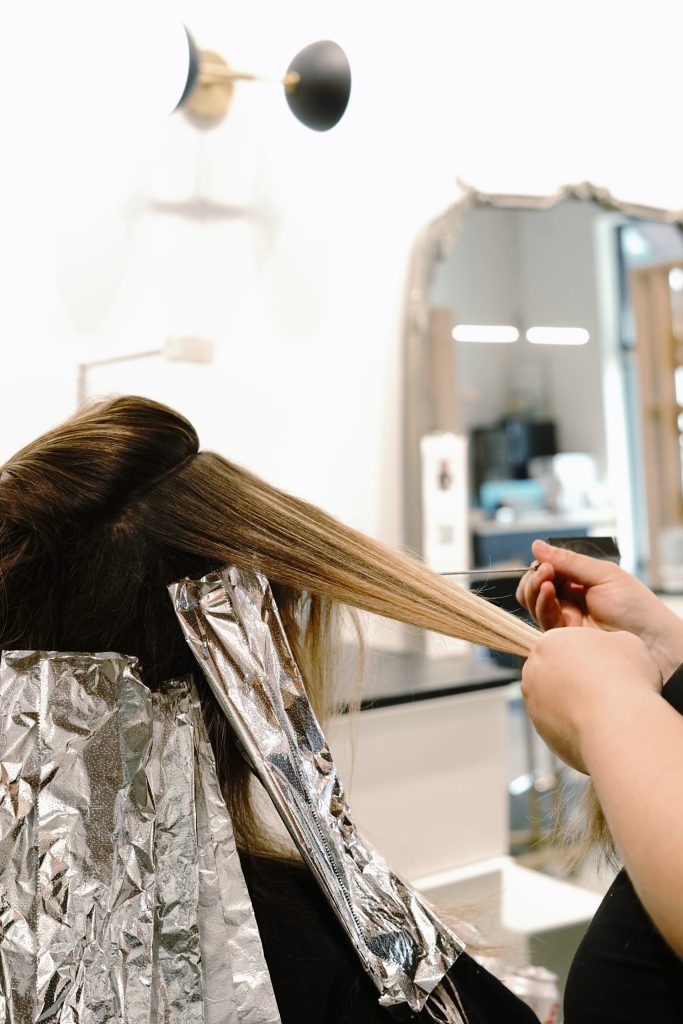
The quality of your hair color affects how well your hair accepts and holds styling. Over-processed, damaged hair from rushing color changes won’t curl properly, won’t hold an updo securely, and will photograph with an unflattering texture. Healthy, professionally colored hair styled by experts photographs like silk and holds any style you want.
Your final color timing also influences your wedding day results. Color that’s too fresh (done within a few days of your wedding) can affect how products work with your hair and how styling tools grip. Color that’s too grown out creates obvious lines and dimension in unintended places. That 2-3 week window before your wedding creates the perfect balance.
Extensions: Volume and Versatility
Not every bride needs extensions, but for those who want fuller, longer, or more versatile hair, extensions open up possibilities that natural hair alone might not provide. Understanding how extensions integrate into your wedding hair planning is essential if you’re considering them.
Extensions need time to become completely natural-looking and comfortable. When you first have extensions installed, there’s an adjustment period where you learn how to sleep with them, wash them, and style them. You need time to get used to the weight and feel, and your natural hair needs time to adapt to having extensions attached. Installing extensions months before your wedding means they’ll feel like your own hair by the time you’re standing at the altar.
Emma and Mandy, both certified in professional extension methods, emphasize that wedding extensions should enhance your natural beauty, not transform you into someone unrecognizable. The goal is for your wedding day hair to look like the most elevated version of yourself--thicker, fuller, perfectly styled, but still authentically you.
Extensions also require maintenance appointments to keep them looking their best. As your natural hair grows, extensions need to be moved up to stay positioned correctly. Planning these maintenance appointments into your wedding timeline ensures your extensions look freshly installed on your big day without being uncomfortably new.
The type of extensions you choose matters too. Hand-tied extensions lie flat and create a seamless look that’s ideal for both updos and down styles. Invisible Bead Extensions offer incredible versatility and comfort. During your consultation, we’ll discuss which method works best with your natural hair and your wedding hairstyle goals.
Choosing Your Wedding Hairstyle: What Actually Matters
With your hair preparation timeline in place, let’s talk about choosing the actual style you’ll wear on your wedding day. This decision should be informed by multiple factors, not just what looks pretty in a photo.
Your Dress and Neckline
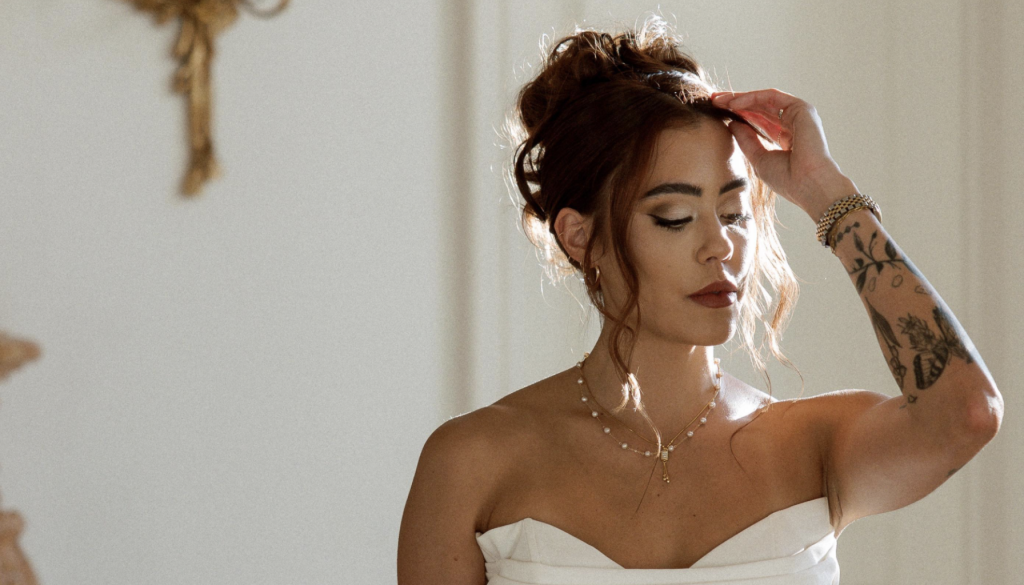
Your wedding dress significantly influences which hairstyles will look best. A dress with an intricate back or stunning neckline detail deserves to be seen--an updo or side-swept style showcases these features. A strapless or sweetheart neckline offers the most flexibility; nearly any hairstyle works. A high neck or detailed sleeves often look better balanced with hair worn down or in a softer, looser style.
Think about your dress’s overall aesthetic too. A ballgown with lots of structure and volume might call for a more polished updo that matches that formality. A flowing, bohemian dress often pairs beautifully with loose, textured waves or a soft, romantic braid. A sleek, modern gown looks stunning with either a very polished style or an intentionally undone, textured look that creates contrast.
Bring photos of your dress to every hair consultation and trial. If you have the actual dress, even better--we can see exactly how different hairstyles interact with your neckline and overall silhouette.

Your Venue and Season
Where and when you’re getting married shapes which hairstyles are practical and which might cause problems. Outdoor weddings in warm weather mean dealing with humidity, heat, and potential wind. Updos generally fare better in these conditions, though well-constructed down styles with the right products can also hold up beautifully.
Beach weddings present unique challenges. Wind, salt air, and humidity can all affect your hair throughout the day. We create styles that embrace a bit of movement and texture rather than fighting for perfect smoothness that humidity will destroy anyway. These naturally textured styles often photograph even more beautifully than rigidly perfect hair.
Indoor, climate-controlled venues give you more freedom, but you still want to consider the formality level. A black-tie ballroom reception might call for a more structured, sophisticated style. A rustic barn venue could be the perfect setting for romantic, slightly undone braids or waves.
Fall and winter weddings have their own considerations. Cold weather can create static and dryness, but you also don’t have to worry about humidity destroying your style. These seasons are beautiful for rich, textured styles with lots of volume and romantic detail.
Your Personal Comfort and Style
This might be the most important factor of all: you need to feel like yourself on your wedding day. If you never wear your hair up, a dramatic updo might feel uncomfortable and foreign, even if it’s objectively beautiful. If you always wear your hair sleek and smooth, a very textured, tousled style might not feel authentic to who you are.
Your wedding day hairstyle should represent the most elevated, polished version of your everyday style--not a complete departure from it. You want your partner to see you walking down the aisle and think “that’s my person, looking absolutely stunning,” not “who is that?”
Consider how you’ll feel wearing your chosen style for 8-12 hours. Will an updo give you a headache? Do you feel too exposed with your hair completely off your face? Does wearing your hair down make you feel self-conscious about it falling forward when you lean in for photos? These practical comfort considerations matter just as much as aesthetics.
Hair Accessories and Veils
Hair accessories complete your bridal look and need to be factored into your hairstyle planning from the beginning. Veils remain the most traditional choice, and their style influences your hairstyle significantly.

Cathedral-length veils typically attach at the crown and work beautifully with classic updos or half-up styles that have volume at the back. Fingertip-length veils offer more versatility and can be incorporated into various styles. Shorter birdcage veils or blusher veils work with both updos and down styles and offer a vintage aesthetic.
Tiaras and crowns need secure placement, which usually means some type of structured updo or half-up style with enough foundation to pin into. These pieces make a dramatic statement but require the right hairstyle to showcase them properly.
Delicate hair pins, combs, or fresh flowers can be incorporated into almost any style. These smaller accessories add personality and visual interest without overwhelming your look. Bring any accessories you’re considering to your hair trials so we can experiment with placement and ensure everything stays secure throughout your wedding day.
Working with Your Bridal Hair Specialist
The relationship you build with your bridal hair specialist makes an enormous difference in your overall experience. This isn’t just a vendor--this is the person who will be with you during one of the most important mornings of your life, helping you look and feel your absolute best.
What to Look for in a Bridal Hair Specialist
Not every talented hairstylist is well-suited to bridal work. Bridal specialists need specific qualities that go beyond technical skill. They need to stay calm under pressure, manage time effectively, work quickly without sacrificing quality, and handle the emotional weight of being part of someone’s wedding day.
Sarah’s experience with hundreds of brides through The Pretty Barrette has taught her that clear communication makes or breaks the bridal hair experience. She wants brides who feel comfortable speaking up during trials if something doesn’t feel right, who are honest about their concerns, and who trust her professional guidance when she explains what will and won’t work with their particular hair. As someone who discovered her passion for hairstyling at age 5 and has dedicated her career to specializing in bridal hair and updos, Sarah understands the emotional weight of being part of someone’s wedding day.
Look for a stylist whose bridal portfolio resonates with your aesthetic. If you love soft, romantic styles but a stylist’s work is all very structured and formal, you might not be the best match. Pay attention to whether their work shows versatility--can they create multiple styles well, or do all their brides look similar?
Experience with your hair type matters too. If you have very curly hair, you want a stylist who regularly works with and celebrates natural texture. If you have very fine hair, you need someone who understands how to create volume and structure without weighing your hair down.
Making the Most of Your Consultations and Trials
Come to your consultations prepared with specific information and thoughtful questions. Bring inspiration photos, but also be ready to discuss what specifically draws you to each image. Is it the overall shape, the level of volume, the finish (polished vs. textured), or specific details like how the curls are formed?
Be honest about your hair’s history and current condition. If you’ve had chemical treatments, heat damage, or recent color disasters, share that information. We need to know what we’re working with to create realistic plans and avoid any wedding day surprises.
During trials, speak up immediately if something doesn’t feel right. Don’t wait until the end to mention that the style feels too tight or that you don’t like how much hair is pulled off your face. We can make adjustments in real-time, but only if we know what you’re thinking and feeling.
Take the trial process seriously. These appointments aren’t just a fun preview--they’re working sessions where we problem-solve, refine, and perfect your look. Treat your trial like your wedding day: arrive on time, be present and focused, and give honest feedback.
Communication Leading Up to Your Wedding
Stay in touch with your bridal specialist in the weeks leading up to your wedding, especially if anything changes. If you decide to cut bangs, if your hair color doesn’t turn out exactly as planned, if you change your dress or accessories--communicate these updates. We can’t adjust our plans if we don’t know what’s different.
About two weeks before your wedding, confirm all the logistics: timing, location, how many people we’re styling (if you have bridesmaids), what time you need to be photo-ready, and any special considerations. Creating a clear timeline for your wedding morning prevents any confusion or stress on the actual day.
Meet Sarah Brouwer: The Pretty Barrette
Sarah’s journey into bridal hair styling began in an unexpected way--at age 5, when she discovered her fascination with hair. She was the kid who always had her hands in family members’ hair, experimenting with styles and watching the transformative power of beautiful hair unfold. That early passion evolved into an almost 10 year career specializing exclusively in bridal hair and styling, ultimately leading to the creation of The Pretty Barrette, her bridal business housed within Menagerie Style House.
What makes Sarah exceptional as a bridal specialist isn’t just her technical skill--it’s her understanding of what brides actually need on their wedding day. She’s witnessed firsthand the moment a bride sees herself in the mirror and can’t hold back tears because she feels so beautiful. Those moments drive everything Sarah does, from the initial consultation through the final pin placement on wedding day morning.
Sarah specializes in creating elegant updos, romantic waves, and everything in between, but her real specialty is listening. She wants to understand not just what style you’re drawn to, but why it speaks to you, how you want to feel, and what worries keep you up at night about your wedding day look. This emotional intelligence, combined with her technical expertise, creates an experience where brides feel truly heard and cared for.
Her approach to bridal hair emphasizes proper preparation and realistic timelines. Sarah has seen too many brides try to rush the process and end up stressed, so she’s passionate about educating brides on why that 12-month planning window matters, why hair trials aren’t optional luxuries, and why investing in hair health makes all the difference in final results.
As a hopeless romantic who can’t resist hearing love stories and tales of how couples first met, Sarah brings genuine joy and excitement to every bridal appointment. She’s not just your hairstylist--she’s part of your wedding day support system, there to make sure you feel beautiful, confident, and completely yourself as you walk down the aisle.
The Pretty Barrette represents Sarah’s commitment to making every bride feel like the most beautiful version of themselves. Whether you’re planning an intimate elopement or a grand celebration with a full bridal party, Sarah’s expertise ensures your hair is absolutely perfect for every moment of your special day.

Wedding Morning: The Final Countdown
Your wedding day morning sets the tone for your entire day. Proper planning makes this time calm and enjoyable rather than frantic and stressful.
Timing Your Wedding Day Hair
Schedule your hair appointment with enough buffer time to account for unexpected delays without making you sit around fully styled for hours. For most styles, allow 60-90 minutes for your hair, depending on complexity. If you’re also having makeup done, coordinate timing so you’re not waiting around with completed hair while makeup takes an hour.
Plan to be completely ready--hair, makeup, and dress--about 30 minutes before you need to leave for photos or ceremony. This buffer time accounts for any last-minute adjustments, allows time for getting into your dress without rushing, and gives you a few moments to actually look at yourself and take it all in.
If you’re having bridesmaids’ hair done as well, start early enough that everyone is finished with time to spare. A good rule is to add 45 minutes per person to your timeline, then add 30 minutes of buffer at the end.
What to Do (and Not Do) Before Your Appointment
Wash your hair 1-2 days before your wedding, not the morning of. Hair with a bit of texture and natural oils holds styles better than freshly washed hair. If your hair is very oily and you must wash it the morning of your wedding, use a light shampoo and minimal conditioner, avoiding anything that will make your hair too soft and slippery.
Don’t apply any leave-in products, oils, or serums before your appointment unless your stylist specifically requests it. We need clean hair that will accept the products we choose for your specific style. Arrive with dry or mostly dry hair--wet hair limits what we can assess and how we can work.
Eat a good breakfast before your hair appointment. Your blood sugar affects how you feel, and you don’t want to be lightheaded or irritable while we’re working. Have coffee if that’s part of your normal routine, but maybe skip that third cup that might make you jittery or need bathroom breaks.
Wear a button-up shirt or robe that can be removed without pulling over your head. You’ll need to get dressed after your hair is complete, and anything that goes over your head risks disturbing your style.
Staying Calm and Enjoying the Process
Your wedding morning should feel special, not stressful. Create an atmosphere that feels celebratory--play music you love, have mimosas if that’s your style, surround yourself with people who make you feel calm and happy.
Trust your hair stylist to recreate the look you’ve practiced and perfected during trials. By your wedding day, we know exactly what we’re doing and how to make you look incredible. Avoid hovering over mirrors or constantly checking our progress. Take this time to relax, chat with your bridesmaids, and mentally prepare for your day.
If any small pieces fall or shift during the morning, don’t panic. We’re there to make minor adjustments as needed. Hair is meant to move a bit--that’s part of what makes it look natural and beautiful rather than helmet-like.
Maintaining Your Look Throughout Your Wedding Day
Your hairstyle needs to last from getting ready through photos, ceremony, cocktail hour, reception, dancing, and potentially an after-party. Making it through all that while still looking photo-worthy requires the right construction and products.
How We Create Styles That Last
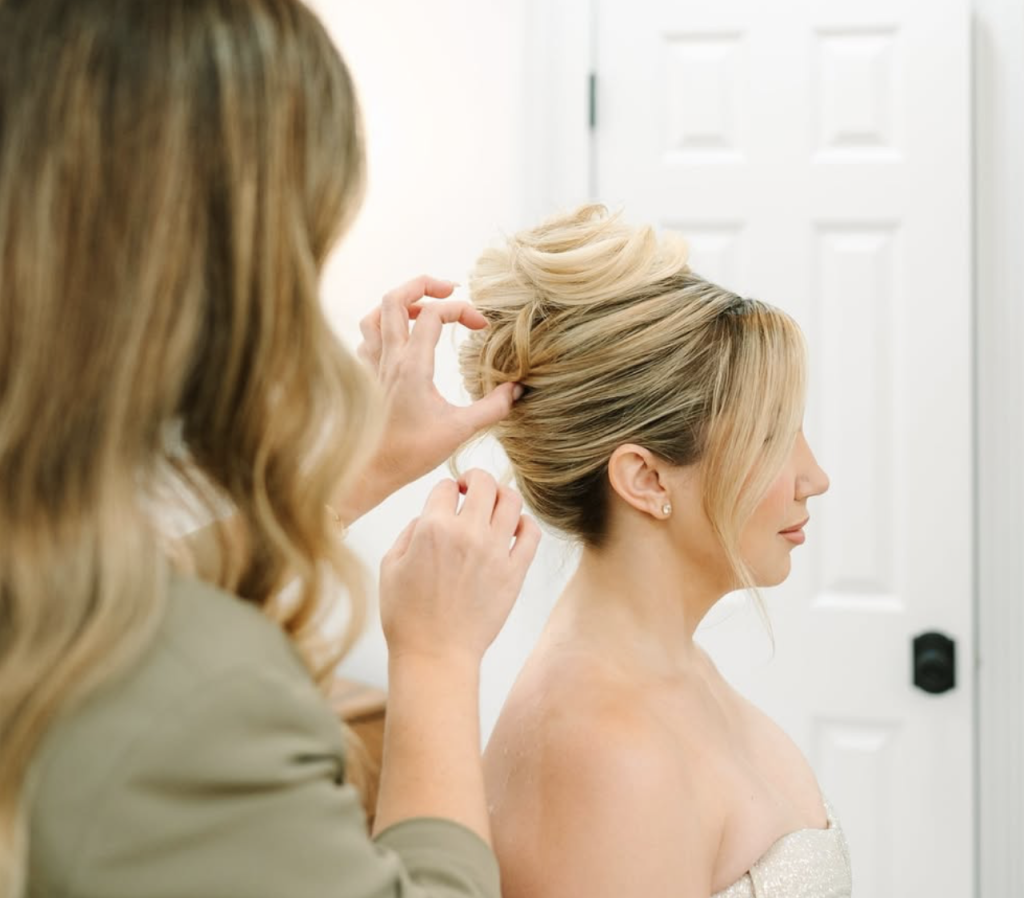
Long-lasting bridal hairstyles aren’t about using more hairspray--they’re about proper technique and strategic product use. We create structure and security using the right combination of backcombing, pinning techniques, and product layering that holds without feeling crunchy or stiff.
For updos, we build a strong foundation that distributes weight evenly across your head, preventing the pulling or pressure that causes headaches. Every pin is placed strategically, and we use the right type of pin for each section--bobby pins for security, hairpins for finishing. The finished style should feel secure but not uncomfortable.
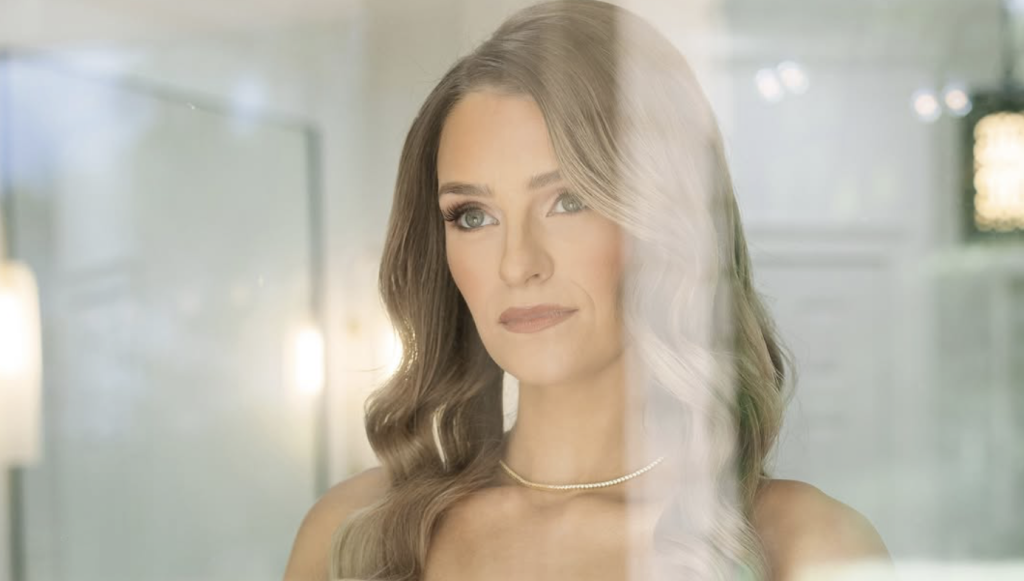
For down styles, we use styling products that create hold while still allowing natural movement. Your hair should feel touchable and look soft, not sticky or overly firm. We also create strategic texture and wave patterns that become prettier as the day goes on rather than falling flat.
Touch-Ups and Adjustments
Pack a small emergency kit for minor fixes: a few extra bobby pins that match your hair color, a travel-size hairspray, and a small comb or brush. You probably won’t need these items, but having them provides peace of mind.
When Things Don’t Go According to Plan
Despite perfect planning, sometimes unexpected situations arise. Weather might be different than forecasted, your timeline might shift, or something might not feel quite right. Professional bridal hair specialists know how to adapt and problem-solve in the moment.
If your outdoor ceremony gets moved inside due to rain, your hairstyle might need quick adjustments to work with different lighting and environment. If your day is running behind schedule, we can modify certain elements to save time without sacrificing quality. If something genuinely doesn’t feel right after your style is complete, speak up immediately so we can address it before photos begin.
The key is staying flexible and trusting your team to handle whatever comes up. Most “disasters” are actually minor inconveniences that feel bigger due to wedding day emotions. Take a deep breath, trust your stylist, and remember that the most important thing is the marriage happening that day, not whether every hair is in exactly the perfect place.
Planning for Your 2026 Wedding: Start Now
We’ve reached the end of 2025, which means if you’re getting married anywhere in 2026, your wedding hair planning timeline starts now. Waiting until spring 2026 to begin thinking about your hair leaves you rushed, stressed, and without access to the best professionals who are already booked.
Early planning gives you the luxury of time--time to grow your hair, transition your color gradually and healthily, get comfortable with extensions if you choose them, schedule multiple trials without feeling rushed, and build a relationship with your stylist. It also gives your hair time to reach its healthiest, most beautiful condition.
The brides who arrive at their wedding day feeling completely confident about their hair? They’re the ones who started planning early, followed a thoughtful timeline, prioritized hair health alongside style selection, and worked with professionals who understood the complete picture.
Your wedding is one of the most photographed days of your life. These images will hang in your home, fill albums you’ll treasure for decades, and be shared with future generations. Investing time and thoughtful planning into your wedding hair isn’t vanity--it’s ensuring you look like the most beautiful version of yourself on one of your most important days.
At Menagerie Style House, Sarah Brouwer and The Pretty Barrette are here to guide you through every step of this process. From that initial consultation where we assess your hair and discuss your vision, through color transitions and cut planning, extension installation if needed, multiple trials to perfect your look, and finally to your actual wedding day when we bring it all together--we’re invested in making sure you feel absolutely confident and beautiful. Sarah’s 8 years of specializing exclusively in bridal hair means you’re working with someone who understands the unique needs, pressures, and emotions of wedding day styling.
If you’re getting married in 2026, let’s start planning now. The foundation we build in these coming weeks and months will make all the difference in how you feel when you look in the mirror on your wedding day.
Ready to start planning your wedding hair with Sarah and The Pretty Barrette? Schedule your bridal consultation at our Raleigh location (2409 Crabtree Blvd #120, Raleigh, NC 27604 • Call: 919.803.7144 • Text: 832.669.5792) or our Wendell location (2210 Big Falls Dr #102, Wendell, NC 27591 • Call: 919.374.7128 • Text: 984.271.1420). Let’s create a timeline that works for your specific wedding date and hair goals, and start building toward the most beautiful, confident version of you on your wedding day.