Your Hairstylist Won’t Tell You This: The Scalp Care Mistakes Ruining Your Hair
Let’s be honest with you about something. When you sit in our chairs at Menagerie Style House, we see things. Things we don’t always mention because, well, we’re focused on giving you an amazing experience, not making you feel lectured. But here’s what we’ve learned after years behind the chair: the biggest barrier between you and the hair you want isn’t your hair type, your age, or your budget. It’s what’s happening on your scalp between visits.
Your scalp is skin. Seems obvious, right? But we watch guests treat their scalp completely differently than they’d treat the skin on their face. And that disconnect? That’s where the problems start.
The Mistakes We See Every Single Day
You’re Scratching When You Should Be Massaging
We get it. Your scalp itches, so you scratch. Natural response. But here’s what’s actually happening: those fingernails are creating micro-tears in your scalp, disrupting the skin barrier, and potentially introducing bacteria. Even worse, aggressive scratching stimulates oil production, which means you’re creating the exact problem you’re trying to solve.
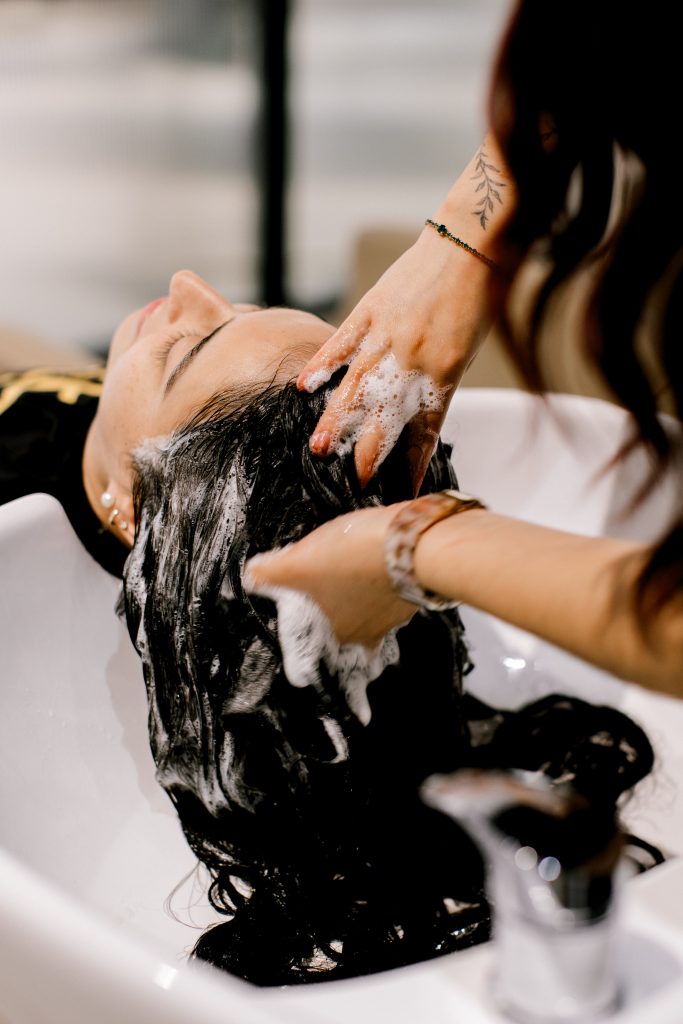
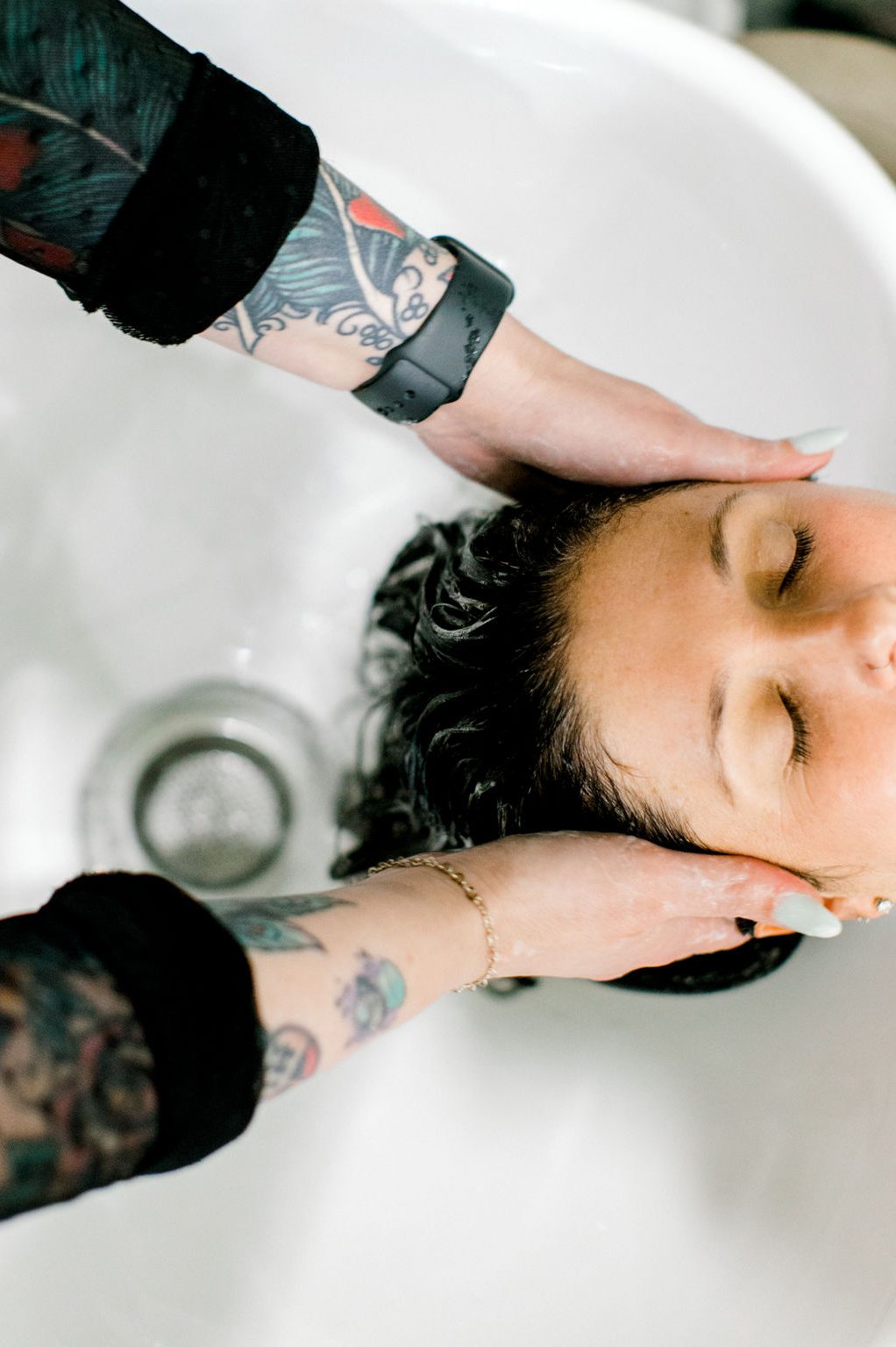
What actually works? Gentle scalp massage with the pads of your fingers--not your nails. When you’re shampooing, use circular motions with your fingertips. This stimulates circulation without damaging the scalp surface. Think of it like the difference between exfoliating your face with a gentle cleanser versus attacking it with sandpaper.
The guests who come in with the healthiest scalps are usually the ones who’ve incorporated a simple massage routine--just a few minutes in the shower, focusing on moving the scalp rather than scratching the surface. According to the American Academy of Dermatology, proper scalp care is essential for maintaining healthy hair growth and preventing common scalp conditions.
You’re Shampooing Like You’re Washing a Sweater
Here’s something we notice constantly: guests apply shampoo directly to their hair and start scrubbing. The problem? Shampoo is formulated to cleanse your scalp, not your hair length. When you focus all that cleansing action on your mid-lengths and ends, you’re stripping the hair that actually needs moisture, while leaving your scalp--where oil, product, and buildup actually accumulate--under-cleansed.
Let us walk you through what we do: we apply shampoo to the scalp first, focusing on the roots. We work it through the scalp thoroughly, and only then do we let the runoff cleanse the length of the hair as we rinse. That’s usually enough to clean the hair shaft without over-stripping.
Your scalp needs that direct cleansing attention. Your hair length? It’s mostly getting clean from the shampoo running through it. Trust us on this--once you start shampooing your scalp instead of your hair, you’ll notice the difference within a week.
You’re Using Hot Water (And Wondering Why Your Scalp Is Angry)
We understand the appeal of a hot shower. But that temperature you love? It’s stripping your scalp’s natural protective oils, triggering your sebaceous glands to overproduce oil to compensate, and potentially causing inflammation that leads to sensitivity and itching.
The scalp you’re trying to “deep clean” with hot water is actually going into overdrive trying to protect itself from what it perceives as damage. You end up in this cycle: hot water strips oils, scalp overproduces to compensate, hair gets greasy faster, you wash more frequently with hot water, and the cycle continues.
What we recommend: warm water to cleanse, then a cool rinse at the end. That cool water helps close the hair cuticle and calms the scalp. Is it as comfortable? Not at first. Does it make a massive difference in scalp health? Absolutely.
You’re Conditioning Your Scalp (Please Stop)
This is the mistake we see most often, and it’s the one causing the most problems. Conditioner is formulated for your hair, not your scalp. When you apply conditioner to your scalp, you’re coating it with heavy moisturizing ingredients that can clog follicles, create buildup, and lead to that greasy, flat look at the roots.
Here’s the rule: conditioner from mid-length to ends only. Your scalp produces its own natural oils--it doesn’t need the added moisture from conditioner. In fact, adding that moisture is what’s making your hair look limp and greasy by day two.
We’ve had guests tell us they need to wash their hair daily because it gets so oily. After we adjust where they’re applying conditioner, they can suddenly go three or four days between washes. The problem wasn’t their scalp--it was the product they were putting on it.
The Product Mistakes That Keep You Coming Back
You’re Piling on Dry Shampoo Like It’s Actual Shampoo
Dry shampoo has become everyone’s solution to extending time between washes. And yes, we use it too. But here’s what’s happening when you use it incorrectly: you’re creating a layer of product buildup on your scalp that absorbs oil, yes, but also sits there accumulating. Day after day, application after application, until your scalp is essentially suffocating under layers of powder and aerosol.
We can tell when someone is overusing dry shampoo the moment they sit in our chair. The scalp looks dull, there’s visible buildup around the hairline, and often there’s irritation or even small breakouts along the scalp.
Dry shampoo is a tool, not a replacement for washing. If you’re using it more than two days in a row, you’re using it too much. And when you do use it, you need to actually brush it through and distribute it--not just spray and go.
You’re Buying “Scalp Care” Products You Don’t Actually Need
The scalp care product market has exploded, and we watch guests buy serums, scrubs, and treatments they genuinely don’t need. Sometimes these products are making things worse, especially if you’re layering multiple scalp treatments without understanding what your scalp actually needs.
Most scalps don’t need a separate scrub, serum, and treatment. Most scalps need consistent, proper cleansing with the right shampoo and regular clarifying to remove buildup. That’s it.
Before you buy another scalp treatment, ask yourself: am I using the basics correctly? Am I cleansing my scalp thoroughly? Am I avoiding product buildup? Because if you’re not doing those fundamental things right, adding more products isn’t going to fix the problem.
You’re Using the Wrong Shampoo for Your Scalp Type
Here’s where things get interesting: you might be choosing shampoo based on your hair needs rather than your scalp needs. But your scalp and your hair often need different things.
Someone with an oily scalp and dry ends needs to cleanse the scalp effectively while protecting the length. That means using a clarifying or balancing shampoo on the scalp and a rich conditioner on the ends--not a moisturizing shampoo all over that leaves the scalp under-cleansed and the hair over-conditioned.
At Menagerie, we often recommend different approaches for scalp versus hair. It seems more complicated, but it’s actually addressing the root cause instead of trying to find one product that does everything (which usually means it does nothing particularly well). We work with Aveda’s professional product lines to create customized solutions for each guest’s unique scalp needs.
The Timing Mistakes That Compound Everything
You’re Washing Too Frequently (Or Not Frequently Enough)
We know this sounds contradictory, but both extremes cause problems. Washing too frequently strips the scalp and triggers oil overproduction. Washing too infrequently allows oil, product, and dead skin cells to accumulate, which can clog follicles and create inflammation.
The right frequency is different for everyone, and it depends on your scalp type, lifestyle, and styling habits. But here’s what we’ve learned: most people can train their scalp to go longer between washes by gradually extending the time between wash days.
If you’re currently washing daily, try pushing it to every other day for two weeks. Your scalp will likely overcompensate with oil at first--that’s normal. It’s been trained to produce more oil because you’ve been stripping it daily. Give it time to recalibrate. Most guests find they can comfortably go three to four days once their scalp adjusts.
You’re Not Clarifying (Or You’re Clarifying Wrong)
Even if you’re doing everything else right, product buildup happens. Styling products, dry shampoo, hard water minerals, natural oils--they all accumulate over time. Without regular clarifying, you’re trying to build healthy hair on top of a foundation of buildup.
But here’s the mistake: you’re either not clarifying at all, or you’re doing it too aggressively or too frequently.
We recommend a proper clarifying session once every two to three weeks for most guests. Not with a harsh sulfate shampoo that strips everything, but with a proper chelating or clarifying formula that removes buildup without destroying your scalp’s natural balance.
At our salons, we can tell immediately when someone needs a clarifying treatment. The hair doesn’t respond to products the way it should. Color looks dull. Styling products don’t perform. Once we clarify that buildup, everything works better--the hair takes color more evenly, styling products actually work, and the scalp can breathe.

The Things We Notice But Don’t Always Say
Your Stress Is Showing Up on Your Scalp
We’re going to be honest about something most stylists won’t mention: we can see your stress levels in your scalp. Stress affects everything--oil production, sensitivity, inflammation, even hair growth patterns. When someone’s going through a particularly stressful period, their scalp often shows it through increased sensitivity, changes in oil production, or even temporary hair thinning.
This isn’t something we can fix with a product recommendation. But what we can tell you is that scalp massage, proper sleep, and stress management aren’t just nice-to-haves--they’re essential for scalp health. The guests who prioritize stress management along with their hair care routine consistently have healthier scalps than those who focus solely on products. Research from the National Institutes of Health has shown the connection between stress and various scalp conditions.
You’re Not Protecting Your Scalp from the Sun
Everyone talks about protecting their hair color from UV damage, but nobody talks about protecting the scalp itself. Your scalp is skin, and it can burn, age, and develop sun damage just like the skin on your face.
If you have thinning hair or a visible part, you need sun protection. If you’re spending time outdoors, you need sun protection. A hat is ideal, but there are also UV protection sprays formulated for hair and scalp that don’t leave a greasy residue.
We see sun damage on scalps regularly, especially during summer months. It shows up as dryness, flaking, sensitivity, and sometimes changes in hair growth patterns. It’s preventable, but only if you think about your scalp as skin that needs protection. The Skin Cancer Foundation emphasizes the importance of scalp protection, especially for those with thinning hair or visible parts.
The Diet Connection Nobody Wants to Hear
Your scalp health reflects your overall health, and that includes your diet. We’re not nutritionists, but we’ve been doing this long enough to notice patterns. Guests who are well-hydrated and eating a balanced diet consistently have healthier scalps than those who aren’t.
Dehydration shows up as a dry, flaky scalp. Nutritional deficiencies can affect oil production, healing, and even hair growth. If you’re addressing every external factor but ignoring the internal ones, you’re only solving part of the problem.
Water intake matters. Omega-3 fatty acids matter. Vitamin deficiencies matter. If you’re dealing with persistent scalp issues that aren’t responding to improved care, it might be worth looking at what’s happening inside your body, not just what you’re putting on your scalp.
What Actually Works: The Realistic Routine
Let us give you the routine that actually makes a difference, based on what we’ve seen work for hundreds of guests over the years.
In the Shower:
- Wet hair thoroughly with warm (not hot) water
- Apply shampoo directly to scalp, not hair length
- Massage scalp with fingertips (not nails) for at least two minutes
- Rinse completely
- Apply conditioner from mid-length to ends only
- While conditioner sits, gently detangle if needed
- Rinse with cool water
Between Washes:
- Use dry shampoo sparingly and only at roots
- Brush it through--don’t just spray and leave
- If your scalp itches, massage it; don’t scratch
- Protect from sun exposure when outdoors
Weekly or Bi-Weekly:
- Use a clarifying treatment to remove buildup
- Consider a scalp massage session (even just 5 minutes helps)
- Assess what’s actually happening with your scalp instead of just treating symptoms
What to Avoid:
- Hot water on your scalp
- Conditioning your roots
- Daily washing (unless truly necessary for your scalp type)
- Aggressive scratching when itchy
- Piling product on top of buildup
- Ignoring persistent issues instead of addressing them
When to Ask for Professional Help
Sometimes scalp issues go beyond basic care mistakes. If you’re experiencing persistent itching, unusual flaking, inflammation, pain, or changes in hair growth, those are signs that something more is happening. We can spot the difference between regular buildup or mild sensitivity and something that needs medical attention.
Conditions like seborrheic dermatitis, psoriasis, or folliculitis need proper diagnosis and treatment. If your scalp issues aren’t responding to improved care within a few weeks, it’s time to consult with both your stylist and potentially a dermatologist. The American Academy of Dermatology provides comprehensive information on common scalp conditions that require professional medical treatment.
At Menagerie Style House, we’re trained to recognize when scalp concerns go beyond what can be addressed with better home care. We’ll always be honest with you about whether what you’re experiencing is a care issue or something that needs professional medical attention.
The Real Talk You Need to Hear
Here’s the thing about scalp care: it’s not complicated, but it does require consistency and honesty about what you’re actually doing versus what you think you’re doing. Most guests tell us they’re doing everything right, but when we dig into the actual routine, there are usually several of these mistakes happening.
We’re not sharing this to make anyone feel bad about their routine. We’re sharing it because we’ve seen how much of a difference these adjustments make. The guests who address these fundamental scalp care mistakes see improvements not just in how their scalp feels, but in how their hair looks, how long their color services last, and how well their hair responds to styling.
Your scalp is the foundation for everything else. When it’s healthy, everything works better. When it’s not, you’re fighting an uphill battle no matter what products you use or how talented your stylist is.
Ready to Actually Fix These Mistakes?
The good news is that most scalp issues improve quickly once you start addressing the root causes instead of just treating symptoms. Within two to three weeks of adjusting your routine, you should notice changes. Less itching. Less oil production. Better hair days. Longer time between necessary washes.
If you’re dealing with scalp concerns and want personalized guidance, that’s exactly what we do at Menagerie Style House. We can assess what’s actually happening on your scalp, recommend specific adjustments to your routine, and provide treatments that reset your scalp health. Our team has specialized training in scalp analysis and treatment, and we use Aveda’s Scalp Solutions system to create customized approaches for each guest’s unique needs.
Our Aveda Scalp Treatment Ritual is specifically designed to address scalp concerns through a personalized assessment and treatment protocol. This service includes a thorough scalp analysis, customized botanical treatment, massage, and detailed home care recommendations tailored to your specific scalp condition.
You can book a consultation or a full service with scalp treatment at either our Raleigh or Wendell location. We’ll take the time to understand what’s happening, explain what we’re seeing, and give you the real information you need to maintain healthy scalp and hair between visits. As a certified Green Circle Salon, we’re committed to both your scalp health and environmental responsibility in every service we provide.
Raleigh Location: 2409 Crabtree Blvd #120, Raleigh, NC 27604 Text: 832.669.5792 | Call: 919.803.7144 Hours: Tuesday-Thursday 9am-8pm, Friday 9am-6pm, Saturday 9am-3pm
Wendell Location: 2210 Big Falls Dr #102, Wendell, NC 27591 Text: 984.271.1420 | Call: 919.374.7128 Hours: Tuesday-Thursday 10am-8pm, Friday 9am-6pm, Saturday 9am-3pm
Let’s get your scalp health sorted out so your hair can actually do what you want it to do. Book your reservation today, and let’s talk about what’s really going on with your scalp--no judgment, just real solutions that actually work.