
Winter Hair Care Tips
Raleigh Hair Salon Guide
As the temperature drops and we prepare for cozy sweaters and holiday celebrations, there's one thing many of us dread: the havoc winter weather wreaks on our hair. From the moment you step outside into the cold, dry air to the instant you come back inside to blast the heat, your hair is fighting a constant battle against the elements.
But here's the good news: with the right winter hair care routine and a few professional tips from our team at Menagerie Style House, you can keep your hair looking healthy, hydrated, and absolutely gorgeous all season long. Whether you're battling static, dealing with unexpected breakage, or just trying to maintain that fresh-from-the-salon shine, we've got you covered.
Why Winter Is So Tough on Your Hair
Before we dive into solutions, let's talk about why winter is particularly challenging for your hair. Understanding the problem helps you tackle it more effectively.
Cold, Dry Air: Winter air holds significantly less moisture than summer air. When you step outside, the lack of humidity pulls moisture right out of your hair shaft, leaving it dry, brittle, and prone to breakage.
Indoor Heating: While cranking up the heat feels amazing when you come in from the cold, it creates an arid environment that further dehydrates your hair and scalp. This double whammy of outdoor cold and indoor heat is the perfect storm for hair damage.
Static Electricity: Lower humidity means more static electricity. That annoying flyaway hair that sticks to everything? That's static at work, and it's more than just a cosmetic nuisance—it's a sign your hair is lacking moisture.
Hot Styling Tools: We tend to reach for hot tools more often in winter, whether it's blow-drying damp hair before heading out or using flat irons to combat frizz. This extra heat exposure compounds the damage from environmental factors.
Winter Accessories: Hats, scarves, and hoods are winter essentials, but they create friction that can lead to breakage, tangles, and that dreaded hat hair. The rubbing motion literally damages the hair cuticle over time.
Essential Winter Hair Care Tips from Our Stylists
Deep Condition Like Your Hair Depends On It (Because It Does)
Winter is the season to become best friends with deep conditioning treatments. Your regular conditioner, while helpful, might not provide enough moisture during these harsh months.
At Menagerie Style House, we're huge advocates of our Aveda Botanical Repair Bond Builder treatment. This customized service strengthens and repairs hair from the inside out, using plant-based molecules to rebuild bonds and dramatically improve hair health. The result? Visibly rejuvenated, shinier hair that can better withstand winter's challenges.
For at-home care, we recommend deep conditioning at least once a week. Apply your treatment to damp hair, focusing on mid-lengths to ends where hair is most damaged. Pop on a shower cap and let it work its magic for at least 15-20 minutes. The extra time allows the conditioning ingredients to penetrate the hair shaft more deeply.
Pro tip from Mieke: "I always tell my guests to apply their deep conditioner, then go about their shower routine—shave, exfoliate, whatever you need to do. Give it real time to work before rinsing. Your hair will thank you."
Switch to Moisture-Rich Products
Your lightweight summer shampoo and conditioner probably aren't cutting it anymore. Winter calls for products with richer, more nourishing formulations.
Look for shampoos and conditioners that contain hydrating ingredients like argan oil, coconut oil, shea butter, or keratin. These ingredients help seal moisture into the hair shaft and create a protective barrier against environmental stressors.
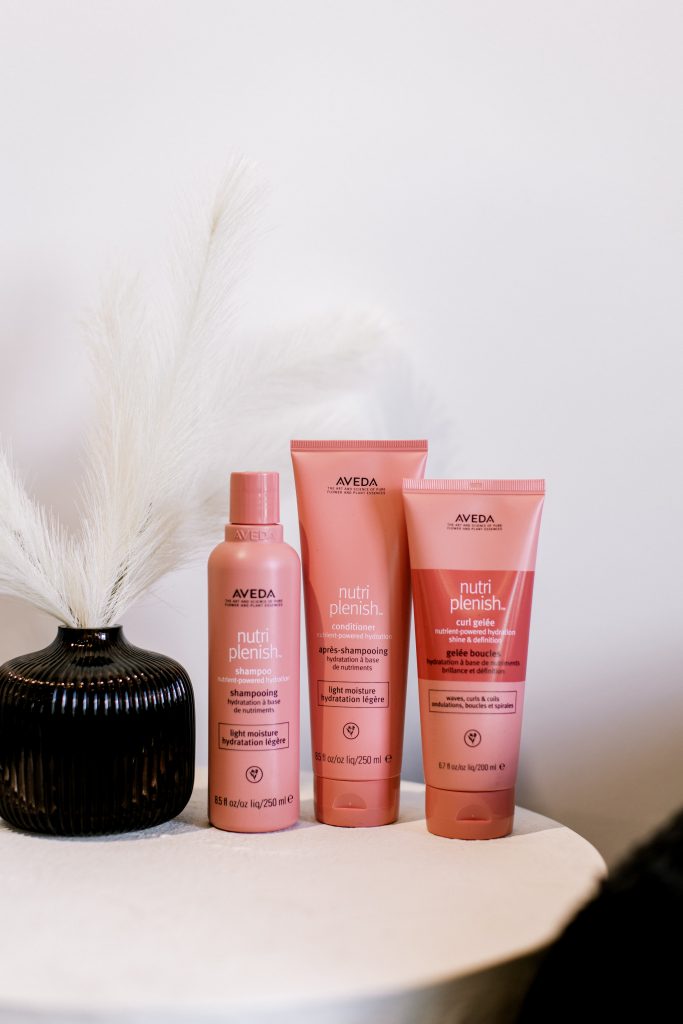
At our salons, we love recommending Aveda products specifically formulated for dry, damaged hair. These plant-based formulas deliver intense hydration without weighing hair down or leaving it greasy.
Emma reminds her guests: "The trio of shampoo, conditioner, and leave-in treatment is the holy grail. Don't skip any step—they work together to keep your hair healthy."
Don't Overwash Your Hair
This might feel counterintuitive, especially if you're used to daily washing, but overwashing in winter can strip your hair of the natural oils it desperately needs to stay moisturized.
Try extending the time between washes to every other day or even every third day if your hair type allows. On non-wash days, use a dry shampoo to absorb oil and refresh your roots. This gives your scalp's natural oils time to travel down the hair shaft, providing natural conditioning.
If you exercise regularly or have an oily scalp that requires frequent washing, focus the shampoo only on your roots and scalp. Let the suds rinse through your ends rather than scrubbing them directly—your ends are the oldest, driest part of your hair and need all the natural oils they can get.
Lower the Temperature on Everything
We know it's tempting to crank up the heat on your shower and styling tools, but high temperatures cause significant damage, especially when your hair is already compromised by winter weather.
In the shower: Wash your hair with lukewarm water instead of hot. Hot water opens the hair cuticle and strips away natural oils. Finish with a cool water rinse to seal the cuticle, lock in moisture, and add shine.
With styling tools: Lower the heat settings on your blow dryer, flat iron, and curling iron. Most styling can be achieved at temperatures between 300-350°F rather than the maximum 450°F many tools offer. Yes, it might take slightly longer, but your hair will be healthier in the long run.
Always, always, always use a heat protectant spray before applying any heat to your hair. This creates a barrier between your hair and the hot tool, significantly reducing damage.
Korina swears by her Oribe Humidity Spray: "It's a game-changer, especially when it comes to taming frizz and protecting against heat damage. I use it on myself and recommend it to all my guests."
Tackle Static Head-On
Static hair is one of winter's most annoying side effects. Here's how to combat it:
Use a leave-in conditioner: Apply a small amount of leave-in conditioner or hair oil to your mid-lengths and ends every morning. This adds weight and moisture that fights static.
Avoid plastic combs and brushes: Switch to tools made from natural materials like wood or boar bristles. Metal combs can work too. These materials don't create the same static charge as plastic.
Moisturize your hands before touching your hair: Rub a tiny bit of hand lotion between your palms, then smooth over your hair to tame flyaways. This quick trick provides instant relief.
Run a dryer sheet over your hair: In a pinch, gently run an unscented dryer sheet over your hair to neutralize static. This is especially helpful before putting on a hat.
Get a humidifier: Adding moisture to your indoor air helps your hair (and your skin) retain hydration. Place one in your bedroom for overnight benefits.
Protect Your Hair Before Going Outside
Just like you wouldn't go outside without a coat, your hair needs protection too.
Apply a hair oil or serum: Before stepping out into the cold, apply a protective oil or serum to your lengths and ends. This creates a barrier that helps lock in moisture and protects against harsh wind.
Wear a silk or satin-lined hat: Regular wool or cotton hats create friction and absorb moisture from your hair. Look for hats with silk or satin linings, or pin a silk scarf inside your favorite winter hat. This simple switch dramatically reduces breakage and frizz.
Dry your hair completely: Never go outside with damp or wet hair in winter. The water can literally freeze, causing hair to become brittle and snap. Always make sure your hair is completely dry before heading out.
Sarah's advice: "I always tell my brides and guests to plan extra time for hair drying in winter. Rushing out with damp hair is one of the biggest causes of winter hair damage."
Schedule Regular Trims
This might seem counterintuitive if you're trying to grow your hair, but regular trims are actually more important in winter than any other season.
Split ends and damaged ends travel up the hair shaft if left unchecked, causing more breakage and preventing healthy growth. By trimming every 6-8 weeks, you remove damaged ends before they can cause bigger problems.
Plus, healthy ends mean your hair looks fuller, shinier, and more polished—exactly what you want for all those holiday photos and events.
Invest in Professional Treatments
Sometimes at-home care isn't enough, and that's where professional treatments come in. Winter is the perfect time to treat yourself to services that deeply nourish and repair.
K18 Treatment: Our K18 Leave-In Molecular Repair Hair Mask Treatment is a revolutionary formula that repairs damage from chemicals, heat, and styling in just 4 minutes. It restores strength, softness, and bounce to all hair types without heaviness. This treatment is particularly effective when you're dealing with winter damage.
Aveda Scalp Treatment Ritual: Don't forget about your scalp! The Aveda Scalp Solutions Ritual is a personalized treatment that assesses your unique needs to soothe, nourish, and invigorate with botanical products. A healthy scalp is the foundation for healthy hair, and winter can wreak havoc on scalp health with dryness, flaking, and irritation.
Gloss/Toner Service: Add shine and refresh your tone between color services with a professional gloss. This service seals the cuticle, adds incredible shine, and helps protect your color from fading—all things that become more challenging in winter.
Keratin Treatment: If frizz and humidity (yes, even winter humidity from indoor heating) are your biggest concerns, consider our All-Inclusive Keratin Treatment. This service smooths the hair cuticle, eliminates frizz, and makes daily styling significantly easier throughout the winter months.
Rosa, with her three decades of expertise in keratin treatments, explains: "Keratin treatments aren't just for summer humidity. Winter's combination of outdoor cold and indoor heat creates a different kind of frizz that a keratin treatment handles beautifully."
Winter Hair Care by Hair Type
Different hair types have different winter needs. Here's what to focus on based on your hair:
For Fine or Thin Hair
Winter can make fine hair look even limper and more lifeless. Focus on lightweight hydrating products that won't weigh your hair down. Look for volumizing formulas that add moisture without sacrificing body. Avoid heavy oils on your roots—instead, apply them only to your ends.
For Thick or Coarse Hair
Your hair can handle richer, heavier products. Embrace thick conditioning masks, hair butters, and nourishing oils. Your biggest winter challenge is likely frizz, so focus on products that smooth the cuticle and lock in moisture.
For Curly or Textured Hair
Winter is particularly tough on curls. The dryness can cause frizz, loss of curl definition, and increased breakage. Deep condition religiously, use the "squish to condish" method to maximize moisture retention, and consider the LOC method (liquid, oil, cream) to seal in hydration. Never brush dry curly hair in winter—it leads to breakage and frizz.
Nora specializes in working with all hair types and emphasizes: "Always put the integrity of the hair first, especially in winter. Understanding your hair's history helps me create the perfect maintenance plan." Learn more about Nora here!
For Color-Treated Hair
Color-treated hair is already more porous and vulnerable, making winter even more challenging. Use sulfate-free shampoos designed for color-treated hair, and always apply a leave-in UV protectant (yes, even in winter—UV rays reflect off snow). Schedule regular gloss treatments to maintain vibrancy and add a protective layer.
For Natural or Virgin Hair
Even if you don't color your hair, winter can still cause damage. Focus on moisture, moisture, moisture. Your hair might not be chemically compromised, but environmental damage is real. Regular deep conditioning and protective styling can help you maintain your healthy hair status.
Foods That Support Winter Hair Health
What you eat matters for your hair health, especially in winter when your body needs extra nutrients to combat environmental stress.
Omega-3 Fatty Acids: Found in salmon, walnuts, and flaxseed, omega-3s help keep your scalp hydrated and support healthy hair growth.
Biotin: This B-vitamin supports hair strength and growth. Find it in eggs, almonds, and sweet potatoes.
Protein: Hair is made of protein, so adequate protein intake is essential. Include lean meats, beans, and Greek yogurt in your diet.
Iron: Iron deficiency can lead to hair loss. Boost your iron intake with spinach, red meat, and lentils.
Water: It seems obvious, but many people drink less water in winter. Stay hydrated—your hair needs moisture from the inside out.
When to Seek Professional Help
Sometimes winter hair damage requires professional intervention. Schedule a consultation at Menagerie Style House if you're experiencing:
- Excessive breakage or hair loss
- Significant changes in hair texture
- Persistent dryness despite at-home treatments
- Scalp irritation, flaking, or discomfort
- Color fading or brassiness
- Difficulty managing your hair despite your best efforts
Our stylists can assess your hair's condition, recommend targeted treatments, and create a customized winter hair care plan just for you.
Lorna, who specializes in consultations, shares: "I always start with a thorough consultation to understand a guest's hair history and goals. In winter, I ask additional questions about how their hair has changed with the season so we can create a truly personalized solution."
Your Winter Hair Care Action Plan
Ready to protect your hair this winter? Here's your step-by-step action plan:
Week 1:
- Switch to moisture-rich shampoo and conditioner
- Purchase a leave-in conditioner or hair oil
- Invest in a silk or satin-lined hat
- Schedule a professional treatment at Menagerie Style House
Week 2:
- Start deep conditioning once weekly
- Lower the temperature on your styling tools
- Add a humidifier to your bedroom
- Replace plastic brushes with natural bristle or wood options
Week 3:
- Extend time between washes if possible
- Begin taking hair-healthy supplements or adjust your diet
- Apply heat protectant religiously
- Book a trim for late December or early January
Ongoing:
- Monitor your hair's condition and adjust products as needed
- Stay hydrated
- Protect hair before going outside
- Continue professional treatments monthly or as recommended
Experience the Menagerie Difference This Winter
At Menagerie Style House, we understand that every guest's hair is unique, and winter affects everyone differently. That's why we start every service with a thorough consultation to understand your specific concerns and goals. As a certified Green Circle Salon, we're committed to both your hair health and environmental responsibility.
Whether you're dealing with persistent dryness, struggling with winter frizz, or just want to maintain your hair's health throughout the season, our expert team is here to help. With specialists in advanced treatments, color services, and cuts across all hair types, we have the expertise to create a winter hair care plan that works for you.
Visit Us at Either Location
Raleigh Location
2409 Crabtree Blvd #120, Raleigh, NC 27604
Text: 832.669.5792 | Call: 919.803.7144
Hours: Tuesday-Thursday 9am-8pm, Friday 9am-6pm, Saturday 9am-3pm
Wendell Location
2210 Big Falls Dr #102, Wendell, NC 27591
Text: 984.271.1420 | Call: 919.374.7128
Hours: Tuesday-Thursday 10am-8pm, Friday 9am-6pm, Saturday 9am-3pm
Book your winter hair rescue reservation online or call us today. Let's make sure your hair not only survives winter but thrives through it!
Winter Hair Care FAQs
How often should I wash my hair in winter?
Most people can extend to washing every 2-3 days in winter. This allows your scalp's natural oils to nourish your hair. If you have an oily scalp or exercise frequently, focus shampoo on roots only and use dry shampoo between washes.
Can cold weather cause hair loss?
Cold weather itself doesn't directly cause hair loss, but the stress of extreme dryness and breakage can make it appear thinner. If you're experiencing significant hair loss, schedule a consultation to rule out underlying issues.
Should I still use a heat protectant in winter?
Absolutely! In fact, it's even more important in winter when your hair is already compromised by environmental factors. Always apply heat protectant before using any hot tools.
How can I prevent hat hair?
Make sure your hair is completely dry before putting on a hat, use a silk or satin-lined hat to reduce friction, and consider hairstyles that work with rather than against your hat, like loose braids or low ponytails.
Is it better to air dry or blow dry in winter?
Never go outside with wet or damp hair in winter—it can cause damage and breakage. If you need to leave soon, blow drying on a lower heat setting is better than air drying and heading out. Just always use heat protectant.
What's the best winter hairstyle to minimize damage?
Protective styles like braids, buns, and twists can help minimize exposure to harsh elements and reduce friction from winter accessories. Just make sure not to pull hair too tightly, which can cause breakage.
Should I change my hair color routine in winter?
Winter is actually a great time for richer, deeper colors that complement the season. Just be diligent about using color-safe products and scheduling regular gloss treatments to maintain vibrancy despite indoor heating and outdoor cold.
Winter doesn't have to mean damaged, dull hair. With these expert tips from Menagerie Style House and a commitment to consistent care, you can keep your hair looking healthy, hydrated, and gorgeous all season long. Remember, the key is prevention and protection—start your winter hair care routine now, before damage sets in.
Ready to give your hair the winter TLC it deserves? Book your reservation at Menagerie Style House today, and let's create a personalized plan to keep your hair beautiful through every season. We can't wait to help you achieve your healthiest winter hair yet! ❄️✨